MOROCCO · EGYPT · THE GULF

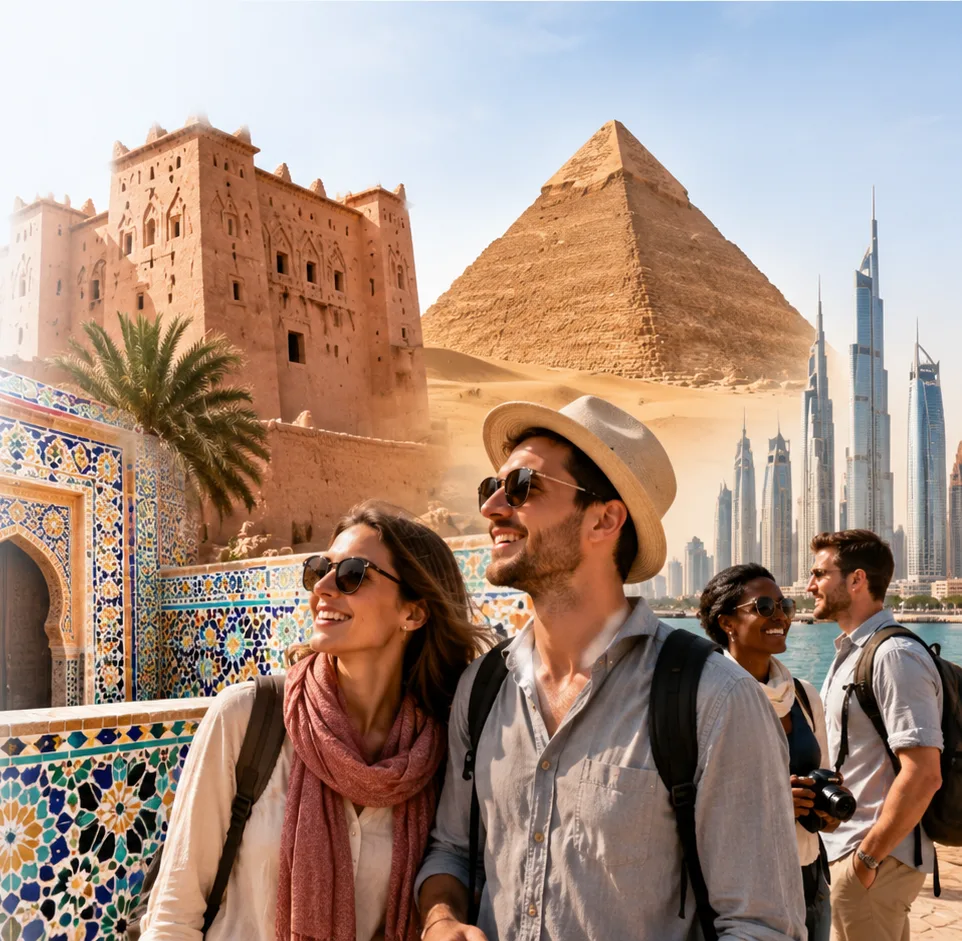
Three regions. Three very different travel rhythms.

Morocco, Egypt and the Gulf each have their own pace, etiquette, food culture and everyday Arabic. These short destination profiles give you the context that matters before you go.

Morocco · Egypt · The GulfUseful local contextOffline Arabic cards
Morocco, Egypt and the Gulf travel destinations
Explore more. Carry only the Arabic you actually need.
DESTINATION PROFILES

Morocco, Egypt and the Gulf.

Different histories, different social rhythms and different everyday Arabic.

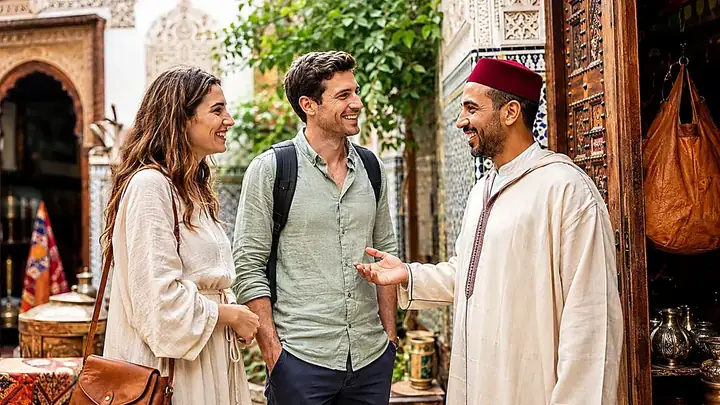
Morocco medina, kasbah and travel culture
MOROCCO

12 Centuries of Living History

Morocco moves between royal cities, old medinas, Atlantic towns, mountain roads and Saharan landscapes. The country feels deeply rooted in history while everyday life is fast, social and practical. Hospitality often begins with tea, conversation and a little patience.

Language

Moroccan Arabic, usually called Darija, is the language travelers hear most in everyday situations. French is also common in many cities and tourism settings.

Culture & etiquette

Markets reward calm conversation more than rushing. Greetings matter. Modest, context-aware clothing is useful outside resort areas. Friday rhythms, Ramadan hours and local holidays can change opening times and transport patterns.

  • Everyday Arabic: Darija
  • Currency: Moroccan dirham (MAD)
  • Best known for: medinas, souks, kasbahs, coast and desert
Marrakech & Fes medinasAtlas and kasbah routesEssaouira & Atlantic coastMerzouga & desert travelDakhla & southern coast
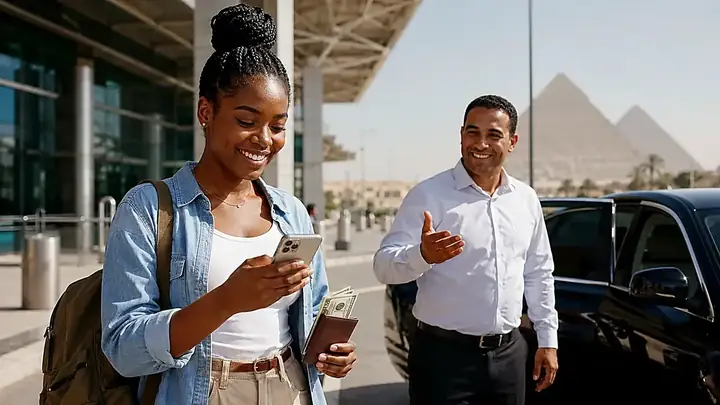
Egypt pyramids, Cairo and Nile travel culture
EGYPT

The Nile, Cairo and a Civilization Still Alive

Egypt is much more than its ancient monuments. Cairo is loud, energetic and intensely social; the Nile connects cities, farms and history; Upper Egypt has a different pace again. Travelers often remember the conversations as much as the temples and pyramids.

Language

Egyptian Arabic, or Masri, is widely understood across the Arab world because of Egyptian film, television and music. A few familiar phrases can make taxis, cafés and shops noticeably easier.

Culture & etiquette

Traffic and bargaining can feel intense at first, but humor and politeness go a long way. Dress expectations vary by place. Photography rules can be strict around government, military and some archaeological locations, so ask when uncertain.

  • Everyday Arabic: Egyptian Arabic (Masri)
  • Currency: Egyptian pound (EGP)
  • Best known for: the Nile, pyramids, temples, cafés and street life
Cairo & GizaLuxor & ancient templesAswan & Nubian cultureNile journeysAlexandria & Mediterranean coast
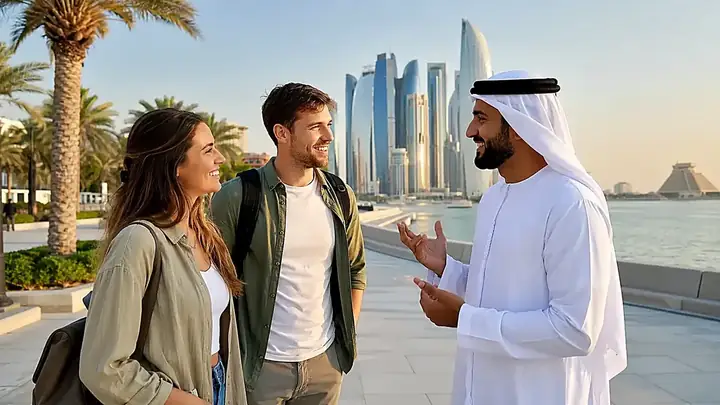
Gulf Arab hospitality, desert and modern city travel
THE GULF

Desert Traditions Meet Modern Cities

The Gulf combines fast-growing cities with strong traditions of hospitality, family and social etiquette. The UAE, Saudi Arabia, Qatar, Oman, Bahrain and Kuwait share many cultural threads, but each country has its own character, rules and pace.

Language

Gulf Arabic varies by country and city. English is common in many urban and travel settings, but a greeting or polite Arabic phrase is often warmly received and can change the tone of an interaction.

Culture & etiquette

Hospitality is important, especially around coffee and meals. Public behavior and dress expectations can be more conservative than in the United States or Europe. Rules around alcohol, photography and public conduct differ by country and should be checked before travel.

  • Everyday Arabic: Gulf Arabic varieties
  • Currencies vary by country
  • Best known for: hospitality, desert landscapes, food and modern skylines
Dubai & Abu DhabiRiyadh, Jeddah & AlUlaMuscat & Oman road tripsDoha & QatarDesert camps & coastal escapes
TRAVEL WITH THE USEFUL WORDS

Keep the Arabic you may actually need on your phone.